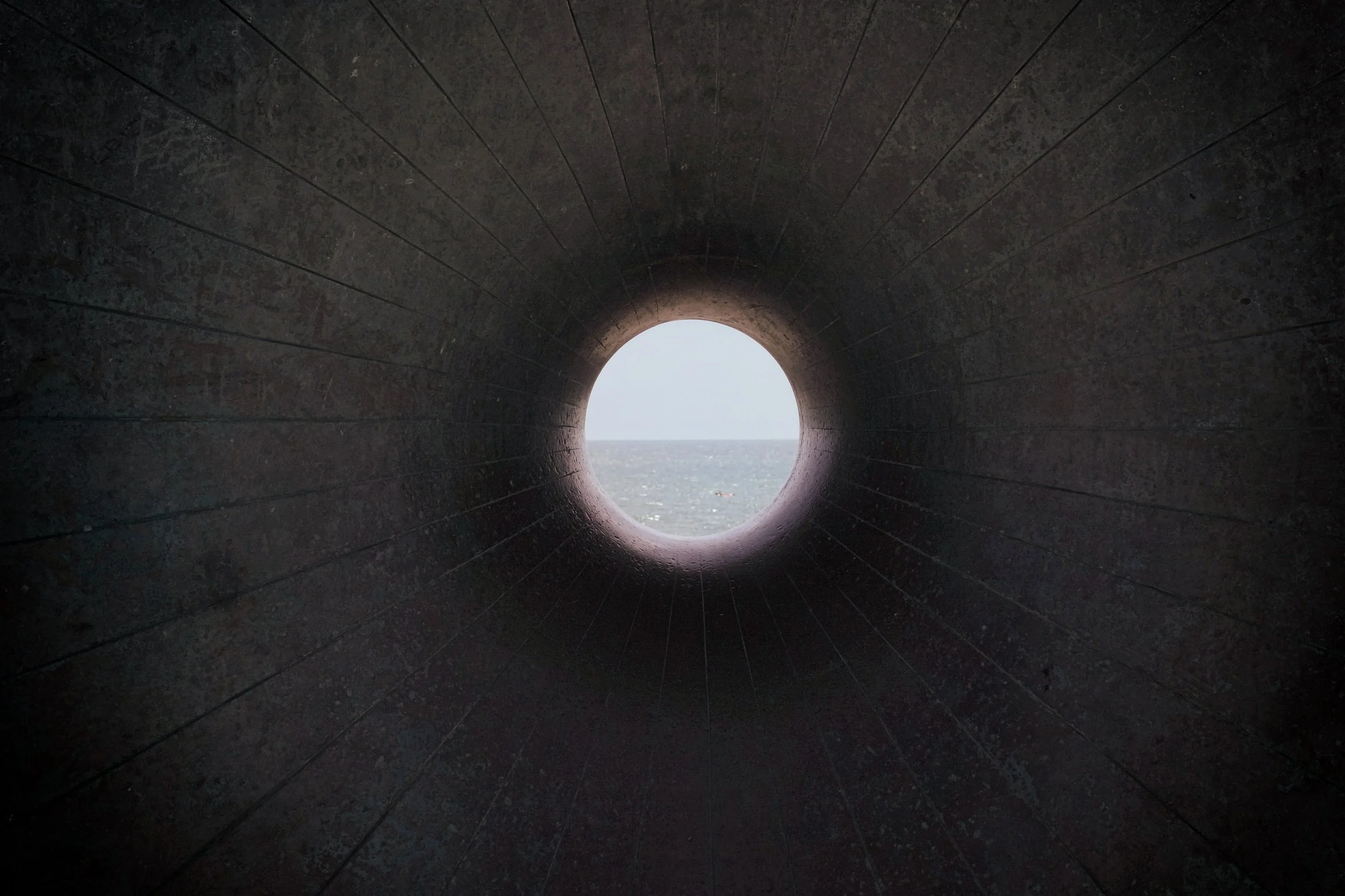
Haven brow is the most westerly of the Seven Sisters chalk sea cliffs on the English Channel coast, and are a stretch of the sea-eroded section of the South Downs range of hills in south-east England.
The cliffs run between the mouth of the River Cuckmere near Seaford, and the chalk headland of Beachy Head outside of Eastbourne.
In 1926 plans emerged for the construction of a new town on the cliffs above the Seven Sisters, initiated by a little-known group of property developers. The proposal threatened one of the few remaining undeveloped stretches of the south-coast landscape. A coalition of early conservationists mobilised to oppose the scheme and were given just one month to raise £17,000 (approximately £509,000 today) to purchase the land and prevent development.
The fundraising campaign succeeded, allowing the group to buy out the developers and secure the cliffs for public benefit. This effort ensured the preservation of the Seven Sisters coastline for future generations.
Untouched old sash window, Streatham
Old garden path
Foosball
Carved bench in the form of a sheep, Tooting Common
Green tank at Streatham Pumping Station
Streatham Pumping Station
Streatham Pumping Station was built in 1894 in a neo-Byzantine style by the Southwark and Vauxhall Water Company, replacing an earlier corrugated iron shed from 1881, and it is Grade II listed today. Originally powered by steam engines, it later switched to electric pumps in 1943 and now serves as one of eleven stations on the Thames Water Ring Main, supplying half of London's water.